The 1112 Series
Three episodes, one unsolved mystery. Louis Everett's headaches, an antique shop in New Jersey, and a number that won't stop following him.
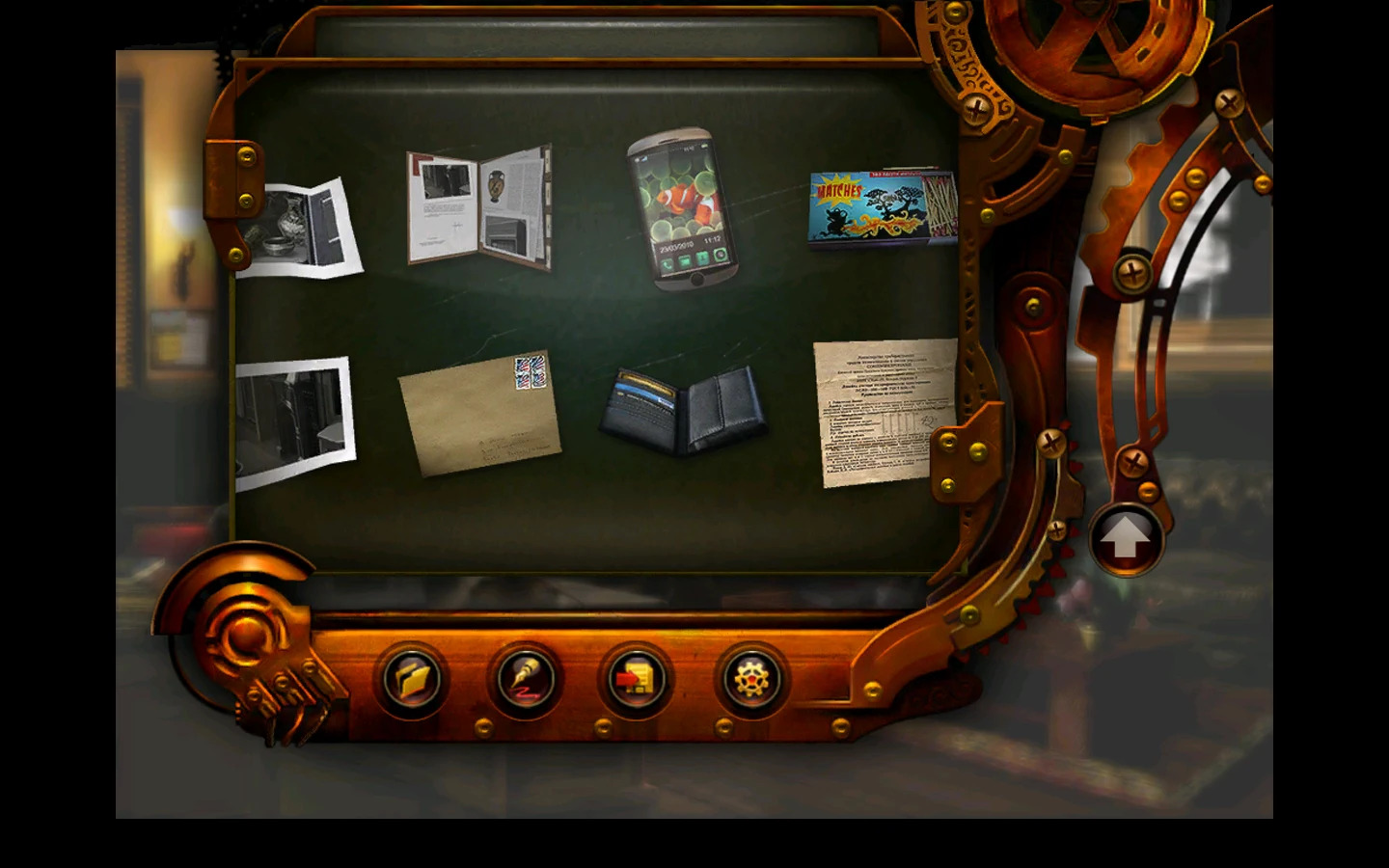
Case evidence screenEpisode interface
Louis Everett's very bad decade
Episode 01
Louis Everett, an antiques dealer in the quiet town of Jalonsville, New Jersey, is running late for a meeting with a prospective client, Mr. Goodman — all while fighting off yet another crushing headache and strange recurring dreams. It's a small, domestic opening chapter: find the wallet, remember the safe combination, get out the door.
Episode 02
After his meeting with Mr. Goodman, Louis blacks out and wakes up alone in a room at the Hotel Bellevue in New York City, with no memory of how he got there. Investigating a strange banging sound down the hall pulls him into a stranger, more dangerous night than the one before it.
Episode 03
Six months vanish from Louis's memory. He resurfaces in his best friend John's bathroom, only to find winter has settled over Jalonsville, his shop and home have been ransacked, and his wife Anna is missing. It's the longest and most ambitious chapter — longer than the first two combined — and the only one built around a clear, driving goal: find Anna.
Episode 04
Planned as the story's closing chapter, episode four never entered full production. The studio cited the budget and time a small team would need to do it justice — resources that never quite materialised before Agharta's attention moved to VR work. As of September 2019, it's officially not happening.
Multi-touch, conversation trees, and a lot of clutter
Interface
Every scene was built for fingers rather than a mouse pointer: tap to examine, tap and hold for context actions, and a dedicated in-game smartphone (the "iClone") for calls and photos. Nearly every object on screen could be interacted with in some way, even if most of those interactions were dead ends by design.
Conversation & puzzles
Talking to characters meant tapping highlighted words to unlock new conversation topics, occasionally backed by a keyboard for entering specific answers. Puzzles leaned heavily on inventory combinations and errand-running — fetch quests filtered through a mystery-thriller atmosphere.
Beloved for its art, argued over for its puzzles
Reviewers were consistent on two points across all three episodes: the hand-painted visuals and original score were a clear step above most App Store adventures of the time, and the puzzle logic and localisation were inconsistent, particularly in the first two episodes. Episode 03 was generally seen as the series hitting its stride — tighter pacing, a real goal driving the plot, and noticeably improved English text — even as some critics felt the overarching mystery still hadn't found its direction after three chapters.